Fuel Tank Inspections & OFTEC Compliance
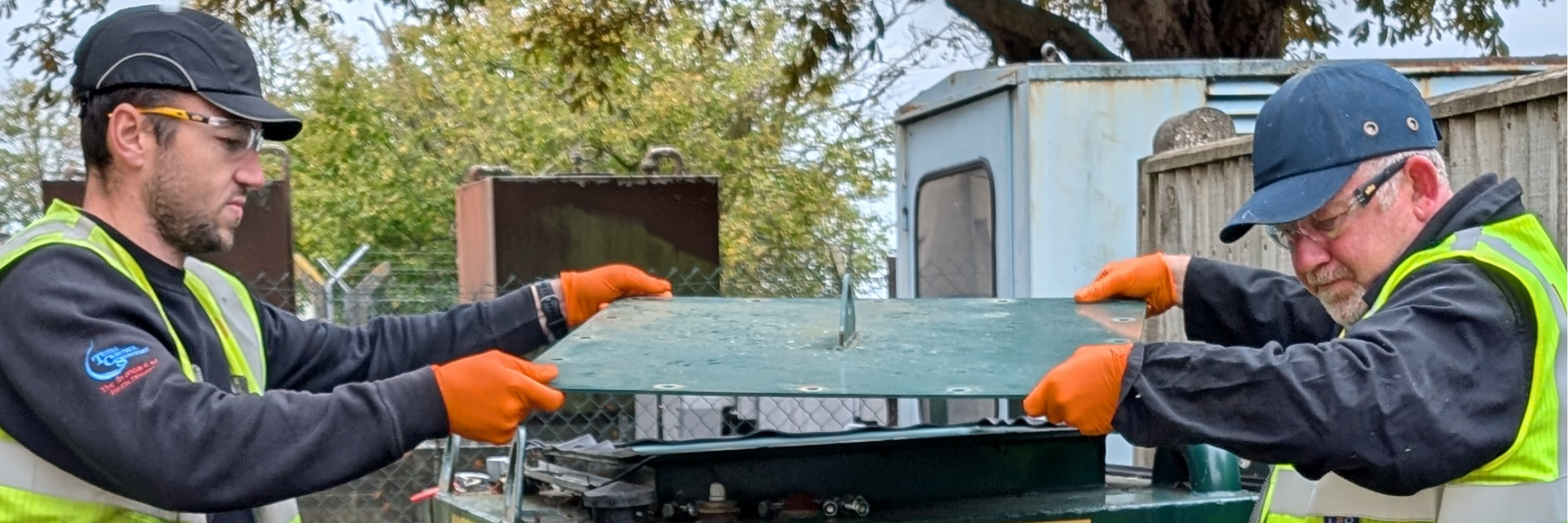
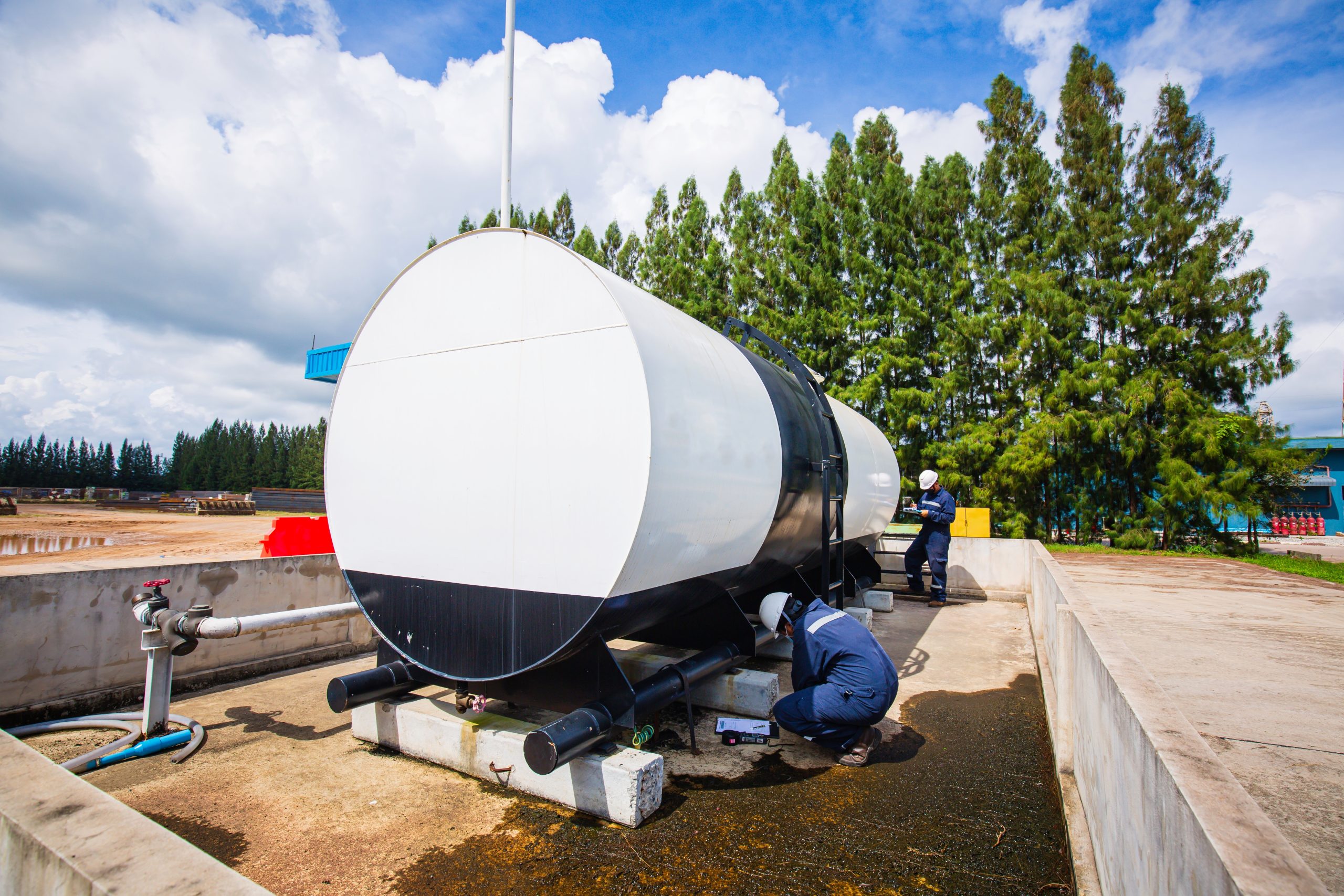
We carry out annual OFTEC inspections plus more frequent visual checks on above-ground fuel tanks, with five-yearly tank cleans and three-yearly bund tests — all carried out to SFG 20 standards.

We carry out annual OFTEC inspections plus more frequent visual checks on above-ground fuel tanks, with five-yearly tank cleans and three-yearly bund tests — all carried out to SFG 20 standards.
We carry out annual OFTEC inspections and more frequent visual checks on fuel tanks, with five-yearly tank cleans and three-yearly bund tests compliant with SFG 20 standards.
We calibrate fuel pumps and nozzles against 5, 10 and 20-litre test measures, catching wear before it causes over- or under-delivery, with a certificate issued on completion every 6 or 12 months depending on usage.
From barracks with a single small tank and a couple of pumps, to large operational, satellite and communications sites, we maintain the fuel and generator infrastructure that keeps any estate running.
We work as a trusted subcontractor to facilities management (FM) companies and service providers, offering the specialist fuel infrastructure expertise their in-house teams don’t carry. FM companies use their own engineers and handymen for general maintenance, and subcontract out specialist trades like fuel, which is where we come in.
Much of the MOD estate is managed by FM companies on behalf of the Defence Infrastructure Organisation (DIO), covering barracks, operational sites, and satellite and communications sites. We support the fuel tanks, pumps and generator infrastructure across all of these, whichever FM company manages the estate.
Above-ground tanks require an annual OFTEC inspection, more frequent visual checks, a five-yearly tank clean and a three-yearly bund test under SFG 20. We carry out this full maintenance programme, or whatever level of service an FM company specifies.
Underground tanks are harder to inspect and maintain, so where SFG 20 recommends five-yearly testing, we typically test annually as standard, alongside regular inspections and tank cleaning, for extra peace of mind.
Fuel pump and nozzle calibration checks that the fuel delivered matches what the pump display shows. We calibrate against 5-, 10-, and 20-litre test measures and issue a certificate for every pump, on a 6- or 12-month cycle depending on usage.
Alongside tank inspections and fuel pump calibration, we provide flow meter calibration and a comprehensive range of mechanical and electrical fuel system services. These include OFTEC and CompEx inspections, tank gauge setup and calibration, tank cleaning, fuel sampling and polishing, alarm testing and maintenance, and the inspection, repair or replacement of filters, strainers and other fuel system components. Call us on 0345 230 7887 or email sales@bms-ltd.com to discuss you requirements.
Powered by Industry-Leading Technology


From design and installation to calibration and maintenance, we deliver complete liquid and fuel management solutions.
Our mechanical and electrical engineers are qualified to work in fuel and chemical environments.
Official distributor and service partner for leading global manufacturers and technology providers.
Facilities management (FM) companies are contracted to maintain an entire estate, from fire doors to fuel infrastructure, on behalf of the site owner. Where specialist trades like fuel are needed, FM companies typically subcontract that work to specialists like BMS Group.
Under SFG 20, above-ground tanks require an annual OFTEC inspection alongside more frequent visual checks, a five-yearly tank clean and a three-yearly bund test.
SFG 20 recommends underground tank testing every five years, but we typically carry this out annually as standard to give FM companies extra assurance on harder-to-access infrastructure.
Fuel pump calibration is typically carried out every 6 or 12 months, depending on how heavily a site’s pumps are used, a certificate is issued for every pump we calibrate.
At BMS Group, we support any site with fuel or generator infrastructure, from barracks with a single small tank and a few pumps, to large operational sites, hospitals, warehouses and other commercial premises.
We typically work as a subcontractor to the facilities management company managing a site, providing the specialist fuel infrastructure expertise that sits outside their in-house maintenance teams.